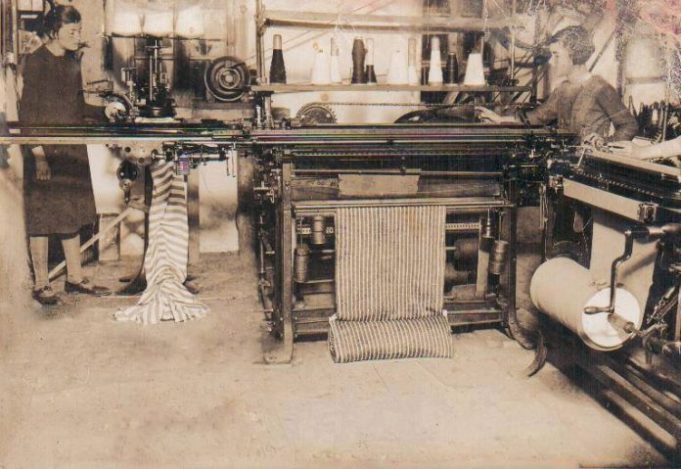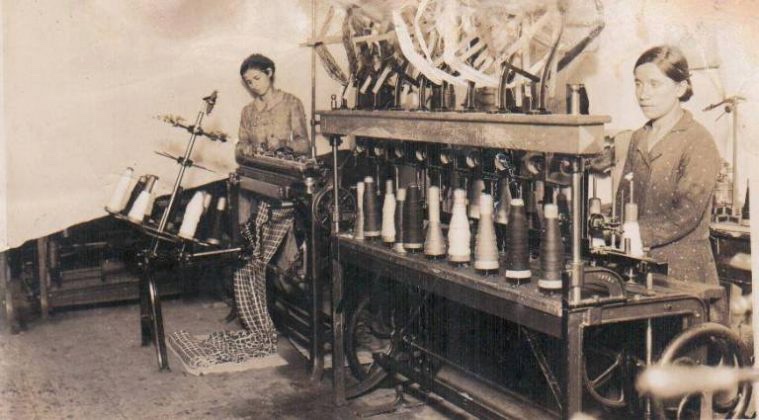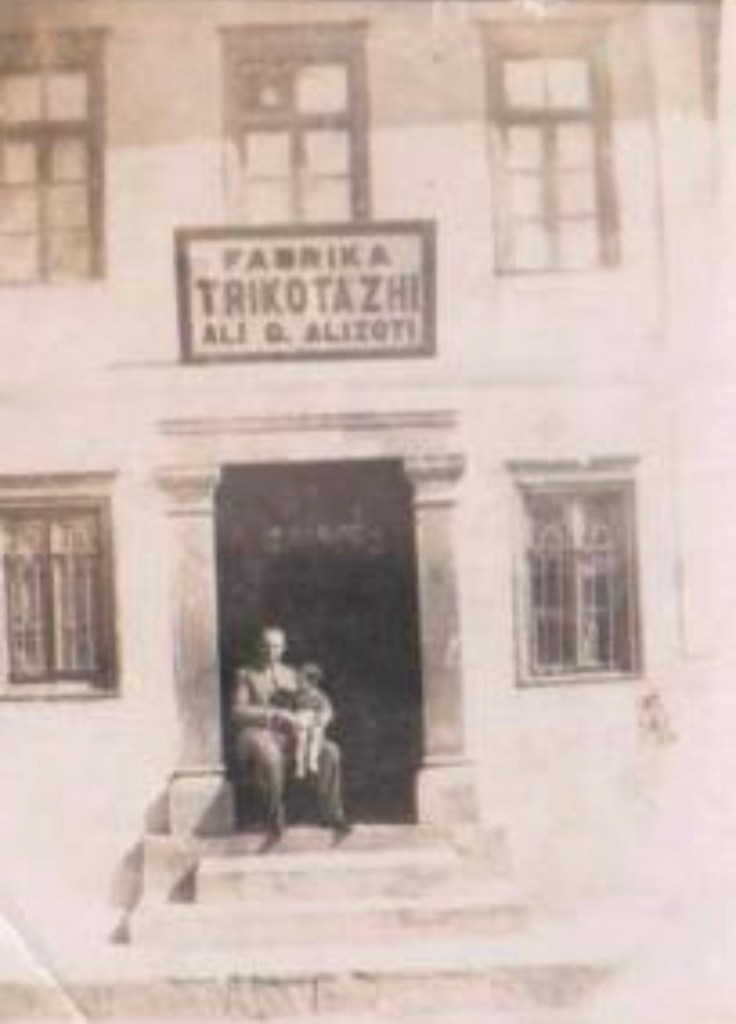
The idea was excellent, but it needed to be put into practice. Of course, machinery had to be purchased. Nazima Ypi, who had specialized in knitted textiles in Germany, bought the first machines there. Initially, they were manual, and later they were replaced with modern equipment. The initial capital was secured through the sale of properties owned by Ali Alizoti and Nazima Ypi.
At first, the factory began operating in front of the house of Memeda Shtylla, and later moved to the building of Sabri Qyteza. After that, it relocated several times.
To run the factory, several well-known technologists were selected, along with young women who had come from Greece, including Madam Gjylater, Mrs. Dikrani, and the young women Agavni and Siranush (the daughter of Madam Gjylater, a fashion designer), among others. These women were originally from regions in Armenia known for carpet production.
Initially, the factory produced carpets. However, the carpet trade did not perform well at the time, and the operation was eventually closed. Around the 1930s, again in Korçë, Nazima Ypi established another knitwear factory together with Fadil Garo and Ismail Kapshtica, since the carpet line had not achieved the expected success.
Meanwhile, Madam Gjylater was appointed as a teacher at the “Girls’ Civic School” in Korça. There, she trained dozens of specialists who later worked in the Korça carpet workshop led by Garo Avakian, a descendant of Armenian families brought in for the knitwear factory.
The factory opened a retail shop in Tirana, in the “Vllazën Juma” commercial complex on November 28 Street (which was burned during the Battle of Tirana in November 1944), as well as another luxury store in Vlorë, managed by Ahmet Nurja.
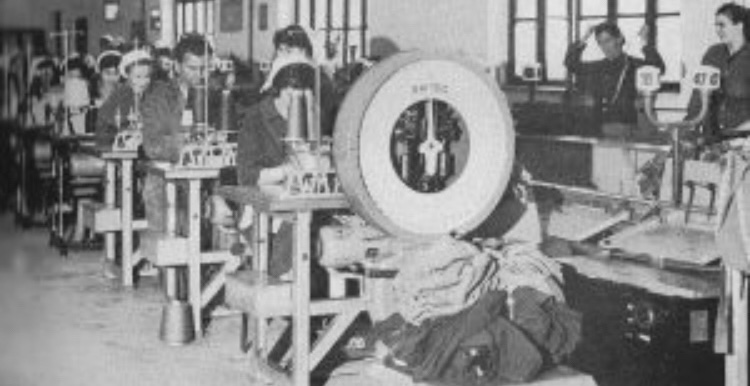
Based on a special decree issued in 1947 by the president of the People’s Republic of Albania, the factory in Tirana was nationalized without any compensation. It was precisely this factory that trained hundreds of skilled female workers in knitwear production, and thanks to this tradition, the industry continued to operate for many years.
During the communist era, the Korça knitwear factory became one of the most well-known and reputable in all of Albania.