Kreshnik Spahiu u shfaq në një rrëfim ndryshe në Grida Duma Podcast, ku flet pa filtra për ndryshimet që ka pësuar gjatë jetës, për raportin me pushtetin dhe për atë që ai e konsideron një krizë të modelit të burrit shqiptar.
“Kam ndryshuar i gjithi”, thotë Spahiu, duke folur për veten dhe për turbulencat që, sipas tij, kanë ndikuar në mënyrën se si e sheh sot jetën, njerëzit dhe veten.
“Çfarë i bën pushteti një burri?”, është një prej pyetjeve që ngrihet në këtë bisedë. Për Spahiun, pushteti nuk është vetëm një pozicion apo privilegj, por një provë që mund t’i nxjerrë një burri fytyrën e vërtetë.
Kjo ide shkon edhe më tej kur ai flet për burrat shqiptarë. “Burrat shqiptarë në shumicë janë injorantë dhe mediokër. Rrugët e Shqipërisë plot me halabakë.Vishen si arabë, janë dembelë. S’dinë të qethen, turinjtë varur gjithë kohës”, thotë ai.
Në një tjetër moment, Spahiu e përmbledh me ironi mënyrën e jetesës që ai atribuon një pjese të burrave shqiptarë: “Jeta e një burri shqiptar vërtitet nga lavazhi te garazhi.Po si mor milioner, ngre kanatieren dhe kruan barkun?”, pyet ai, duke e përdorur këtë shembull për të folur për kontrastin mes pasurisë, stilit dhe kulturës së sjelljes.
Ajo që po ndodh sot në Serbi duhet të na bëjë të mendojmë seriozisht edhe ne. Studentët që protestuan për muaj me radhë nuk u mjaftuan me protestën. U organizuan. Krijuan një listë qytetare dhe vendosën të hyjnë në zgjedhje.
Ndërkohë, Vuçic jep dorëheqjen e Serbia shkon në zgjedhje të parakohshme më 25 tetor.
Po ne?
Rama me sa duket nuk ka ndërmend të japë dorëheqjen pavarsisht skandaleve njëra pas tjetrës. Atëhere s’na ngelet gjë tjetër veç të mendojmë për zgjedhjet.
A mundet protesta të marrë pjesë në zgjedhjet lokale? Në Shqipëri, qytetari mund të kandidojë si i pavarur, por sistemi ynë nuk i jep të njëjtën mundësi qytetarëve të organizohen në një listë të pavarur shumemërore për këshillat bashkiakë.
Dhe kjo nuk është thjesht një çështje teknike.
Është një pengesë për ta kthyer zemërimin dhe angazhimin qytetar në përfaqësim real.
Dhe nëse duam të ndryshojmë realisht raportin e forcave në këtë vend, nuk mund të presim pafundësisht që ndryshimi të vijë vetëm nga partitë.
Le ta themi hapur: opozita sot nuk frymëzon besimin e nevojshëm te një pjesë e madhe e shoqërisë. Partitë e reja ende duhet të provojnë veten. Ndërsa qytetarët që kanë protestuar, janë aktivizuar dhe janë përballur me problemet e qyteteve të tyre, nuk mund të mbeten gjithmonë vetëm audiencë.
Prandaj, duhet të organizohemi.
Jo nesër. Tani.
Në çdo qytet duhet të fillojë një bisedë konkrete:
“Kush janë 10, 20, 50 qytetarë që duan të marrin përgjegjësi për qytetin e tyre?”
Kush janë njerëzit me integritet, profesion dhe reputacion në komunitet që mund të përfaqësojnë qytetarët në këshillin bashkiak apo të marrin drejtimin e bashkisë?
Kush është gati të dalë nga Facebooku dhe protesta dhe të bëhet pjesë e vendimmarrjes?
Unë mendoj se duhet të fillojmë pikërisht këtu.
Nëse je qytetar dhe mendon se qyteti yt meriton përfaqësim më të mirë, shkruaj. Organizohu me njerëz të tjerë. Krijoni një grup qytetar. Flisni për problemet konkrete të bashkisë suaj. Identifikoni njerëzit që mund t’ju përfaqësojnë. Dhe kërkoni mënyrën ligjore për ta kthyer këtë organizim në përfaqësim politik.
Dhe gjithë forcat opozitare nëse duan vërtet të fitojnë duhet të mbështesë njerëzit e besueshëm të komunitetit.
Ndërkohë protesta duhet të organizohet për ditën pas protestës.
Nëse duam që në 2029 të flasim për një Shqipëri tjetër, nuk mund të presim vitin 2029.
Duhet të fillojmë sot.
Nëse mendon se kjo është Rruga, më shkruaj.
Le të shohim sa njerëz jemi, sa qytete mund të organizohen dhe sa qytetarë janë gati të mos presin më që dikush tjetër t’i përfaqësojë.
Qyteti është i yni. Përfaqësimi duhet të jetë gjithashtu. Rruga #Korçë #opinion #democracy
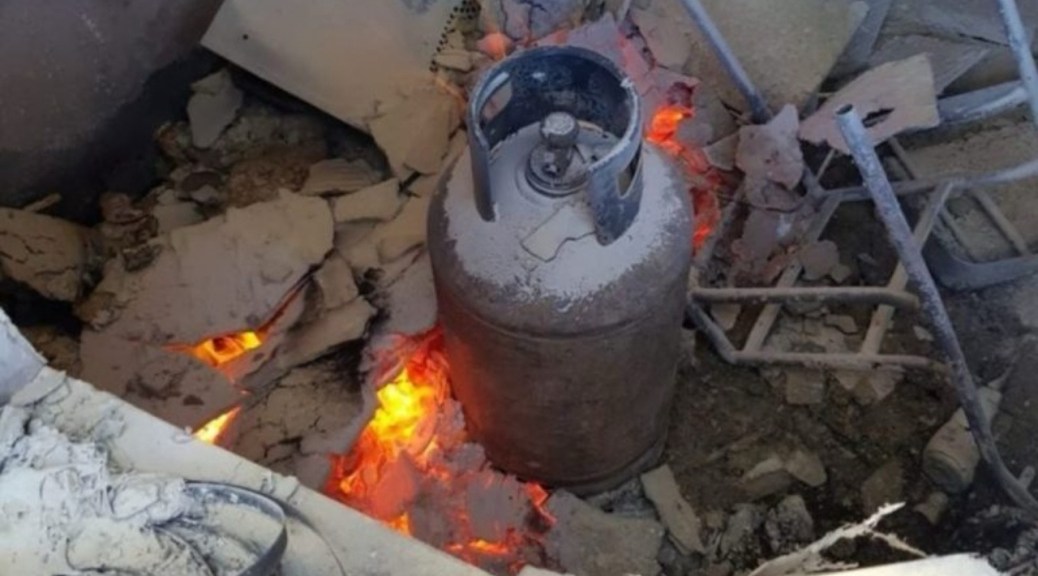
Një zjarr ka përfshirë pasditen e sotme një banesë në Lagjen 12 të Korçës, duke shkaktuar dëme materiale. Sipas të dhënave paraprake, dyshohet se zjarri është shkaktuar nga një bombol gazi. Fatmirësisht, nga ngjarja nuk raportohet për persona të lënduar.
Pas marrjes së njoftimit, shërbimet zjarrfikëse kanë mbërritur në vendngjarje dhe kanë ndërhyrë për shuarjen e flakëve, duke bërë të mundur vënien nën kontroll të situatës.
Ngjarja vjen në të njëjtën ditë me një tjetër rast të ngjashëm në Maliq, ku një zjarr i dyshuar i shkaktuar nga bombola e gazit la të plagosur një të moshuar.
Autoritetet pritet të përcaktojnë rrethanat e plota dhe shkakun e zjarrit në banesën në Korçë.
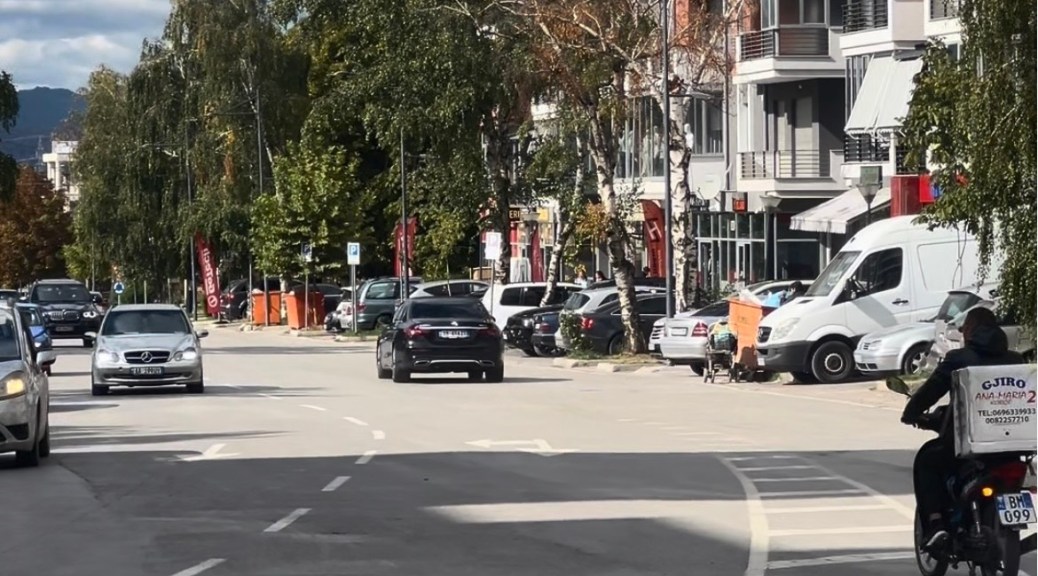
Zona teminali tek sheshi i Korçës po përballet gjithnjë e më shpesh me fluks të lartë automjetesh, veçanërisht në oraret e pikut. Situata bëhet edhe më e ndërlikuar për shkak të pranisë së terminalit, i cili sjell lëvizje të autobusëve, mjeteve që marrin dhe lënë pasagjerë, si dhe një numër të konsiderueshëm këmbësorësh.
Në këtë pikë të qytetit kryqëzohen disa flukse lëvizjeje dhe, në momente të caktuara, qarkullimi kërkon më shumë organizim.
Kjo ngre një pyetje që meriton të diskutohet:
A ka nevojë sheshi i Korçës për semaforë? 🚦
Vendosja e semaforëve nuk është domosdoshmërisht zgjidhja e vetme. Një studim i trafikut mund të përcaktojë nëse nevojiten semaforë, ndryshim i sinjalistikës, riorganizim i qarkullimit apo një tjetër ndërhyrje infrastrukturore.
Por prania e terminalit e bën edhe më të rëndësishme gjetjen e një zgjidhjeje për menaxhimin e trafikut në këtë zonë.
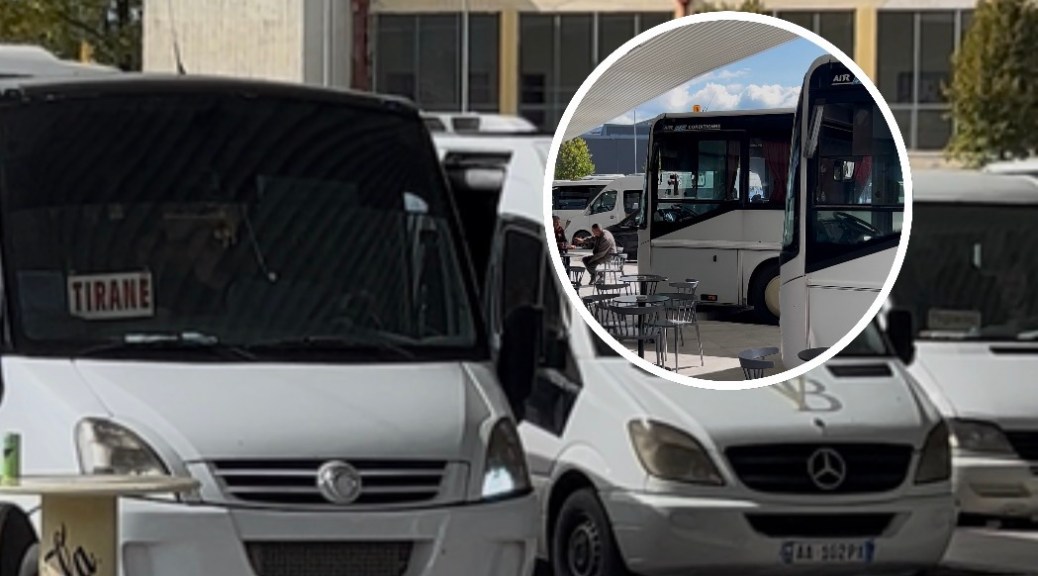
Një problem që prek çdo ditë qytetarët e Korçës dhe zonave përreth është mungesa e linjave të transportit drejt Tiranës në orët e pasdites dhe të mbrëmjes. Sipas orareve të transportit, linja e fundit Korçë–Tiranë niset rreth orës 16:00. Pas këtij orari, qytetarët që kanë nevojë të udhëtojnë drejt kryeqytetit nuk kanë më një alternativë të rregullt transporti publik.
Kjo do të thotë se një person që përfundon punën, një takim, një vizitë apo një angazhim tjetër në Korçë pas orës 16:00, praktikisht nuk mund të zgjedhë më transportin publik për të shkuar në Tiranë.
Problemi bëhet edhe më i rëndësishëm për një qytet si Korça, ku lidhja me kryeqytetin është jetike për punësimin, shërbimet, universitetet, institucionet, aktivitetet ekonomike dhe lëvizjen e qytetarëve.
Pse transporti Korçë–Tiranë përfundon kaq herët?
A është mungesa e udhëtarëve dhe e popullsise arsyeja kryesore? A nuk ka kërkesë për një linjë më të vonë? Apo thjesht operatorët nuk e shohin ekonomikisht të leverdishme?
Këto janë pyetje që meritojnë një përgjigje.
Një linjë e mbrëmjes, qoftë edhe një nisje në orën 18:00 apo 19:00, do t’u jepte më shumë mundësi qytetarëve që nuk mund të udhëtojnë gjatë ditës.
Në një kohë kur flitet vazhdimisht për zhvillimin e Korçës, turizmin dhe lidhjen më të mirë të qytetit me pjesën tjetër të vendit, transporti publik mbetet një nga hallkat që nuk duhet neglizhuar.
Korça nuk mund të ketë një lidhje me Tiranën që praktikisht mbyllet në mes të pasdites.
A duhet të ketë një linjë Korçë–Tiranë edhe pas orës 16:00?
Ky është një problem që meriton të diskutohet publikisht nga qytetarët, operatorët e transportit dhe institucionet përgjegjëse.
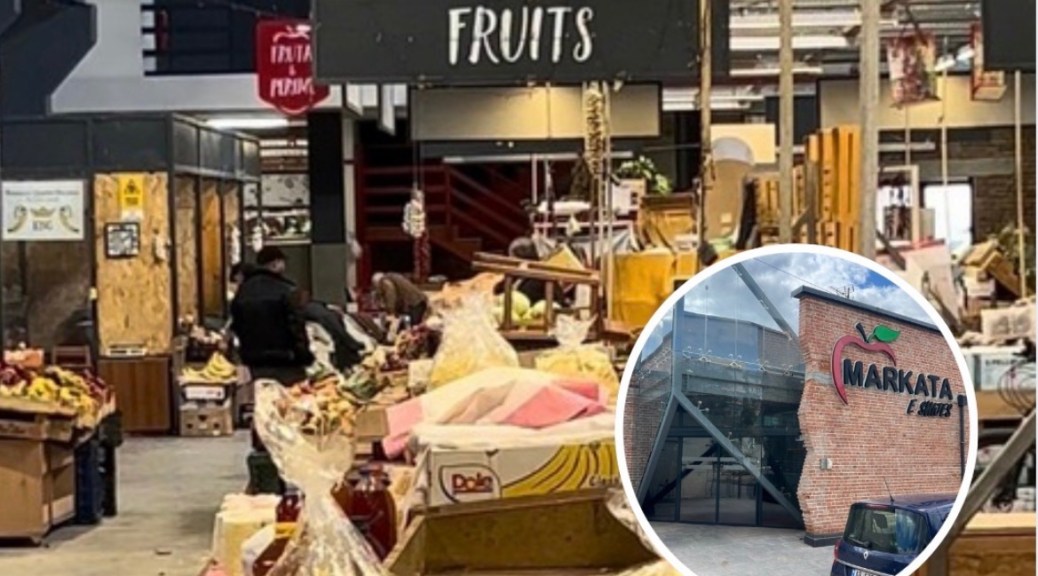
U ndërtua si një hapësirë moderne për tregtimin e produkteve të zonës, por sot “Markata e Shijes” në Korçë përballet me një problem të dukshëm: mungesën e blerësve. Investimi, i përuruar në vitin 2019 nga Bashkia e Korçës, TAP dhe IADSA, u konceptua si një qendër moderne për tregtimin e frutave, perimeve, bulmetit, mishit dhe produkteve të tjera ushqimore.
Por, vite pas inaugurimit, realiteti për një pjesë të tregtarëve duket ndryshe nga pritshmëritë fillestare.
Tregtarët ankohen për mungesën e konsumatorëve, ndërsa në treg ka ditë kur lëvizja është e ulët dhe shitjet mbeten minimale. Një situatë e tillë është raportuar edhe më herët në media, ku tregtarët janë shprehur se çmimet dhe mungesa e fuqisë blerëse kanë ndikuar në uljen e shitjeve.
Një tjetër problem i ngritur është konkurrenca me tregun e shumicës.
Kështu, një projekt që u prezantua si një pikë e rëndësishme për ekonominë lokale dhe promovimin e produkteve të Korçës, sot ngre pikëpyetje për mënyrën se si mund të rikthehet fluksi i konsumatorëve dhe të krijohen kushte më të favorshme për tregtarët.
Investimi është aty, ambientet janë aty, por pyetja që mbetet është: ku janë blerësit?
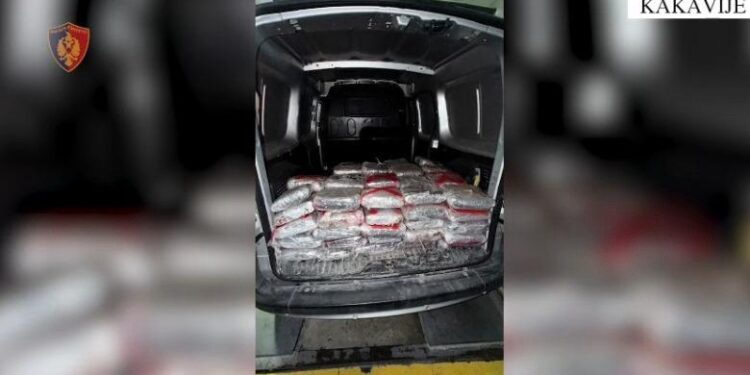
Falë kontrolleve të shtuara nga Policia Kufitare bazuar në analizën e riskut, parandalohet dhe goditet një rast i tentativës për trafikimin e lëndëve narkotike drejt Greqisë. Gjatë kontrolleve intensive, me përdorimin e mjeteve logjistike bashkëkohore, shërbimet e Policisë gjetën të fshehura në brendësi të një furgoni rreth 88 pako me lëndë narkotike të dyshuar cannabis, me peshë totale rreth 91 kilogramë.
Vihet në pranga drejtuesi i furgonit dhe pasagjerja, bashkëshortë me njëri-tjetrin. U arrestuan shtetasit Klejdi Agalliu dhe Bukurije Agalliu për veprën penale “Trafikimi i lëndëve narkotike”.
Shërbimet e Policisë Kufitare, si rezultat i kontrolleve të imtësishme për parandalimin, evidentimin dhe goditjen e tentativave për trafikimin e lëndëve narkotike, si dhe i intensifikimit të kontrolleve bazuar në analizën e riskut në bashkëpunim me specialistët për Hetimin e Narkotikëve në DVP Gjirokastër, kaluan për kontroll të detajuar në skaner dhe më pas në vijën e dytë, në dalje të RSh-së, furgonin që drejtohej nga shtetasi K. A.
Nga kontrolli i imtësishëm, shërbimet e Policisë gjetën të fshehura, në vende të krijuara posaçërisht në dyshemenë e furgonit, poshtë shtresës së saj, rreth 88 pako, brenda të cilave kishte lëndë narkotike të dyshuar cannabis, me peshë totale rreth 91 kilogramë.
Në vijim të veprimeve të para hetimore, specialistët për Hetimin e Narkotikëve në DVP Gjirokastër arrestuan në flagrancë shtetasit K. A., 28 vjeç, dhe B. A., 25 vjeçe, të dy banues në Tiranë, bashkëshortë me njëri-tjetrin.
Në cilësinë e provës materiale u sekuestruan rreth 91 kilogramë lëndë narkotike e dyshuar cannabis dhe furgoni.
Strukturat e DVP Gjirokastër, në bashkëpunim me DVP-të e tjera, nën drejtimin e Prokurorisë së Gjirokastrës, po vijojnë veprimet hetimore për identifikimin e personave të tjerë të përfshirë në këtë veprimtari kriminale.
Materialet procedurale do t’i kalojnë Prokurorisë pranë Gjykatës së Shkallës së Parë të Juridiksionit të Përgjithshëm Gjirokastër, për veprime të mëtejshme, për veprën penale “Trafikimi i lëndëve narkotike”.
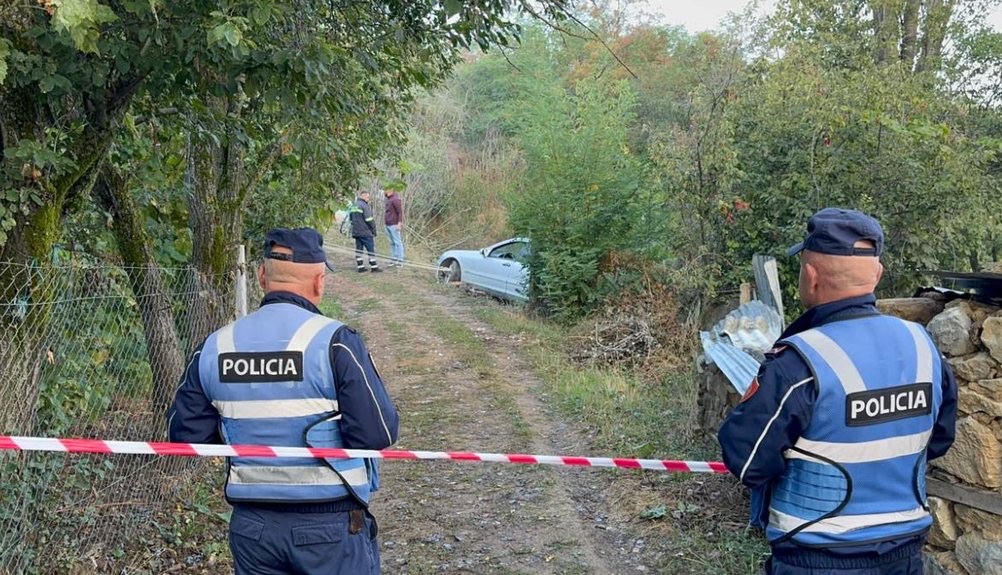
Ngjarja e rëndë ndodhi rreth orës 07:10, në lagjen “Krastafilak”. Sipas të dhënave paraprake të policisë, shtetasi Igli Kllogjeri, 44 vjeç, ishte duke ngarkuar disa sende në automjetin e tij privat, kur mjeti ka lëvizur papritur. Dyshohet se automjeti nuk ishte siguruar me frenën e dorës dhe, si pasojë, ka lëvizur duke e zënë poshtë 44-vjeçarin.
Pavarësisht ndërhyrjes, plagët e marra kanë rezultuar fatale dhe 44-vjeçari ka humbur jetën në vendngjarje.
Ngjarja ka tronditur banorët e lagjes “Krastafilak”, ndërsa vijojnë hetimet për të zbardhur të gjitha rrethanat e saj.
Çfarë tha policia:
Rreth orës 07:10, në qytetin e Maliqit, në lagjen “Krastafilak”, shtetasi I. K., 44 vjeç, duke ngarkuar disa sende në automjetin e tij, si pasojë e mos sigurimit të automjetit me frenë dore, automjeti ka lëvizur dhe e ka zënë poshtë, duke i shkaktuar humbjen e jetës.
Në Korçë është shënuar një vit nga fronëzimi i Mitropolitit Anastasit, një moment i rëndësishëm për jetën e komunitetit ortodoks në qytet.
Gjatë ceremonisë, Mitropoliti i Korçës ka vlerësuar dhe nderuar edhe Kryepeshkopin Joan, i cili për 27 vite ka udhëhequr Kishën Ortodokse në Korçë.
Në fjalën e tij, Mitropoliti i Korçës u ndal te marrëdhënia me njerëzit dhe mesazhi i shërbimit ndaj komunitetit, duke theksuar se të gjithë do të trajtohen në mënyrë të barabartë.
“Do t’i shikoj të gjithë njerëzit njësoj, pa dallim”, u shpreh Mitropoliti i Korçës.
Ceremonia u zhvillua në prani të besimtarëve dhe përfaqësuesve të komunitetit, ndërsa aktiviteti shërbeu edhe si një moment për të kujtuar kontributin e Kryepeshkopit Joan gjatë 27 viteve të drejtimit në Korçë.
Një vit pas marrjes së detyrës, Mitropoliti i Korçës përcolli mesazhin e tij për një shërbim të hapur ndaj të gjithë komunitetit dhe për të vijuar misionin e Kishës në qytet.
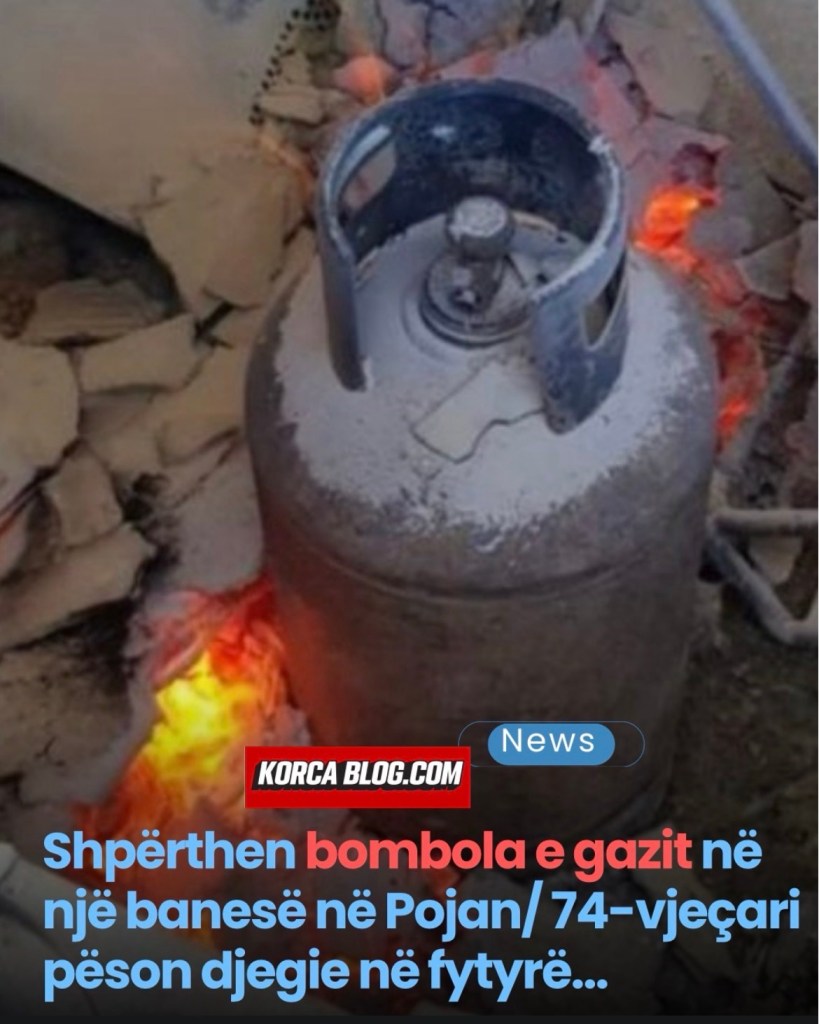
Një ngjarje e rëndë është regjistruar mëngjesin e sotëm në fshatin Pojan të Maliqit, ku një 74-vjeçar është plagosur si pasojë e shpërthimit të një bombole gazi në banesën e tij.
Ngjarja ka ndodhur rreth orës 06:50, në banesën e shtetasit me inicialet Th. K.
Sipas informacionit paraprak, gjatë shpërthimit i moshuari ka pësuar djegie në fytyrë. Ai është transportuar në spital për të marrë ndihmën mjekësore dhe, sipas Policisë, ndodhet jashtë rrezikut për jetën.
Në vendngjarje kanë mbërritur shërbimet e Policisë, ndërsa është ngritur grupi hetimor për të përcaktuar rrethanat dhe shkakun e shpërthimit të bombolës së gazit.
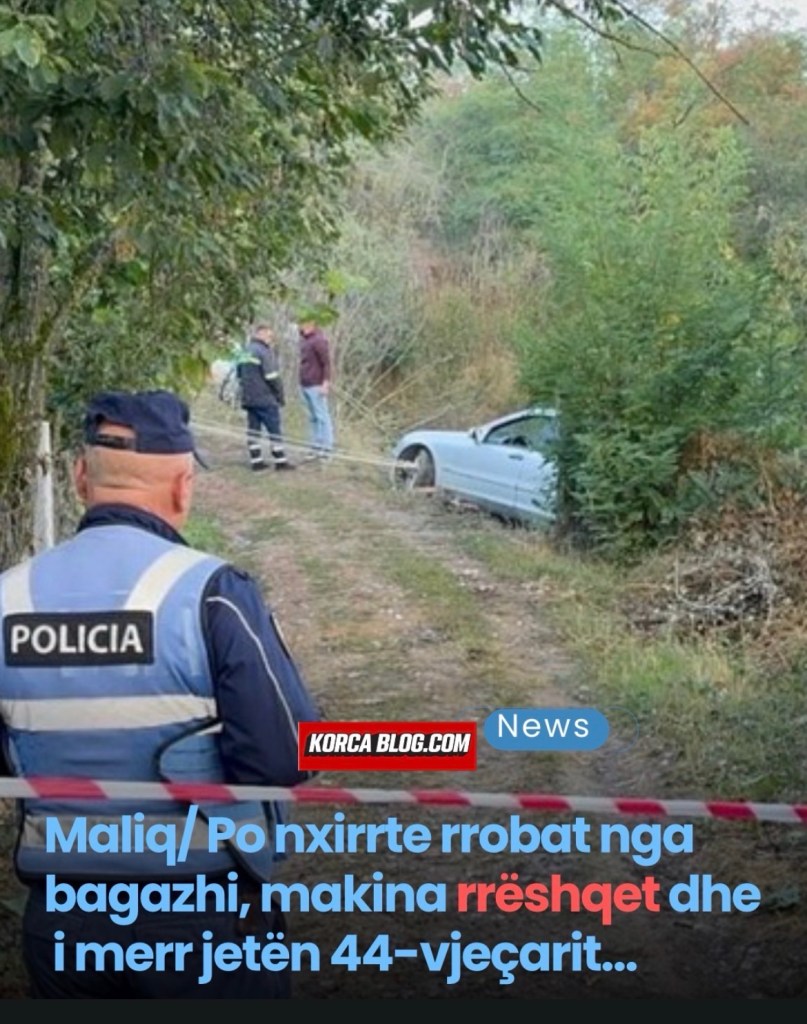
Një ngjarje e rëndë ka ndodhur këtë mëngjes në Maliq, ku një 44-vjeçar ka humbur jetën pasi është zënë poshtë nga automjeti i tij. Sipas të dhënave paraprake, 44-vjeçari kishte ndaluar automjetin dhe po nxirrte disa rroba nga bagazhi, kur dyshohet se mjeti ka rrëshqitur.
Në përpjekje për ta ndaluar automjetin, 44-vjeçari dyshohet se ka tentuar ta mbajë atë nga pas, por përfundoi i bllokuar poshtë mjetit.
Si pasojë e plagëve të marra, ai ka humbur jetën.
Në vendngjarje ndodhen shërbimet e Policisë, të cilat kanë nisur hetimet për zbardhjen e plotë të rrethanave të ngjarjes dhe përcaktimin e shkaqeve të aksidentit.
Dy drejtues automjetesh janë shpallur në kërkim nga Policia, pasi dyshohet se po transportonin rreth 15 emigrantë të paligjshëm nga zona e Kapshticës në drejtim të Tiranës. Ngjarja nisi pranë Kapshticës, ku shërbimet e Policisë konstatuan dy automjete tip “Audi Q7” dhe u vunë në ndjekje të tyre, pasi drejtuesit nuk iu bindën urdhrit për të ndaluar.
Gjatë ndjekjes, dy automjetet kanë vijuar me shpejtësi në drejtim të Gramshit. Sipas Policisë, gjatë arratisjes drejtuesit kanë ndaluar pranë Lozhanit, ku kanë lënë rreth 15 emigrantë, dhe më pas kanë vijuar rrugën.
Arratisja ka vijuar deri në Gramsh, ku dy automjetet janë përballur me një postbllok policor. Në përpjekje për t’iu shmangur ndalimit, drejtuesit kanë përplasur dy automjete të Policisë, duke rrezikuar edhe efektivët që ndodheshin në shërbim.
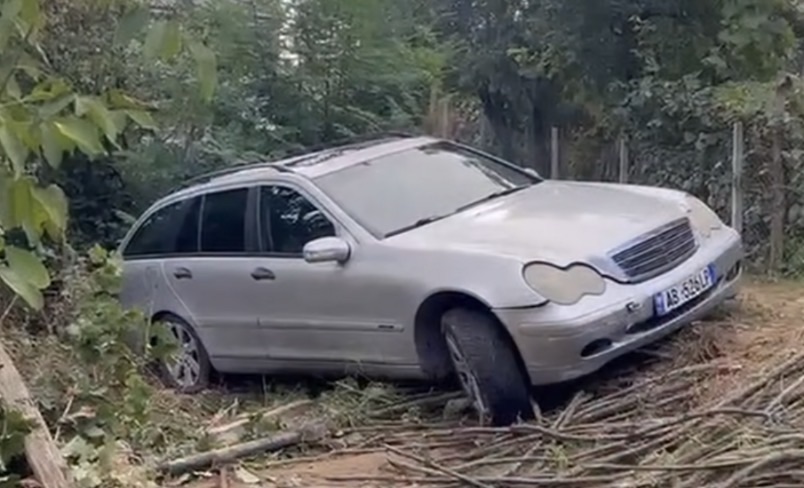
Pavarësisht përplasjes, dy drejtuesit kanë mundur të largohen nga vendngjarja. Më vonë, dy automjetet janë gjetur të braktisura në dy fshatra të Gramshit.
Policia vijon kërkimet për identifikimin dhe kapjen e dy personave të shpallur në kërkim, ndërsa hetimet po vijojnë për dokumentimin e plotë të ngjarjes dhe identifikimin e personave të tjerë që dyshohet se mund të jenë përfshirë në këtë aktivitet. Në lidhje me rastin, një person i tretë është proceduar në gjendje të lirë.
Shqipëria e ka nisur me fitore rrugëtimin në Ligën C të Ligës së Kombeve. Kuqezinjtë triumfuan 2-0 ndaj Bjellorusisë në stadiumin “Air Albania”, në një sfidë të zhvilluar në Tiranë.
Skuadra e drejtuar nga Rolando Maran e zhbllokoi takimin në minutën e 34-të. Kristjan Asllani u tregua i saktë nga pika e bardhë, duke kaluar Shqipërinë në avantazh.
Kuqezinjtë arritën të dyfishonin rezultatin në limitet e pjesës së parë. Ernest Muçi shënoi në minutën e 45+2’, duke i dërguar skuadrat në dhomat e zhveshjes me rezultatin 2-0.
Për trajnerin Rolando Maran, kjo ishte ndeshja e tij e parë zyrtare në drejtimin e Kombëtares shqiptare.
Shqipëria e nis kështu me tri pikë aventurën në Ligën C, ndërsa sfida e radhës për Ernest Muçin me shokë do të jetë pas tre ditësh, në transfertë ndaj San Marinos.
Shqipëri 2-0 Bjellorusi ⚽ Asllani 34’ (p) ⚽ Muçi 45+2’
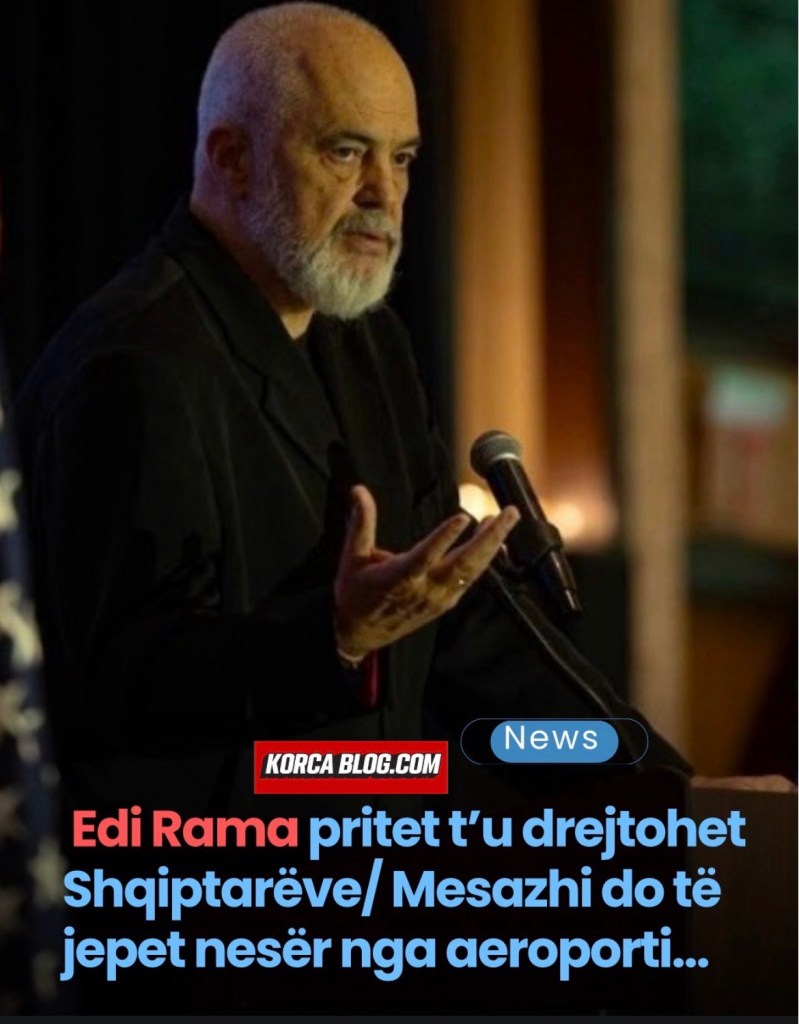
Kryeministri Edi Rama pritet t’u drejtohet shqiptarëve me një mesazh ditën e nesërme, menjëherë pas rikthimit në Shqipëri nga vizita e tij në Shtetet e Bashkuara të Amerikës. Rama pritet të dalë para mediave nga salla e shtypit në Aeroportin Ndërkombëtar “Nënë Tereza”, në një dalje publike që vjen në një moment të rëndësishëm të zhvillimeve politike në vend.
Ai pritet të niset sot nga Aeroporti JFK i Nju Jorkut, por për shkak të kushteve të rënduara atmosferike, orari i saktë i nisjes dhe mbërritjes në Shqipëri ende nuk është konfirmuar.
Ora e adresimit të tij pritet të bëhet e ditur gjatë paradites së nesërme.
Dalja e paralajmëruar vjen në një kohë kur në qendër të vëmendjes së opinionit publik janë zhvillimet rreth ish-kreut të SHISH, Vlora Hyseni, e cila ndodhet në arrest shtëpie, si dhe përgjimet e saj me Ergys Agasin, i cili është arrestuar pak kohë më parë.
Mbetet për t’u parë nëse këto zhvillime do të jenë pjesë e mesazhit të Edi Ramës apo nëse kryeministri do të fokusohet në çështje të tjera politike dhe institucionale.
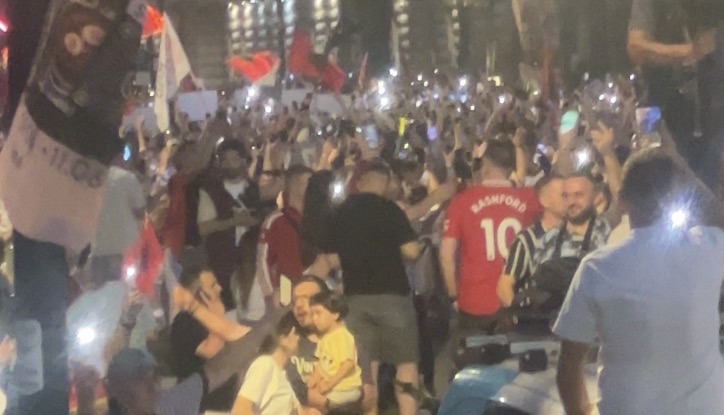
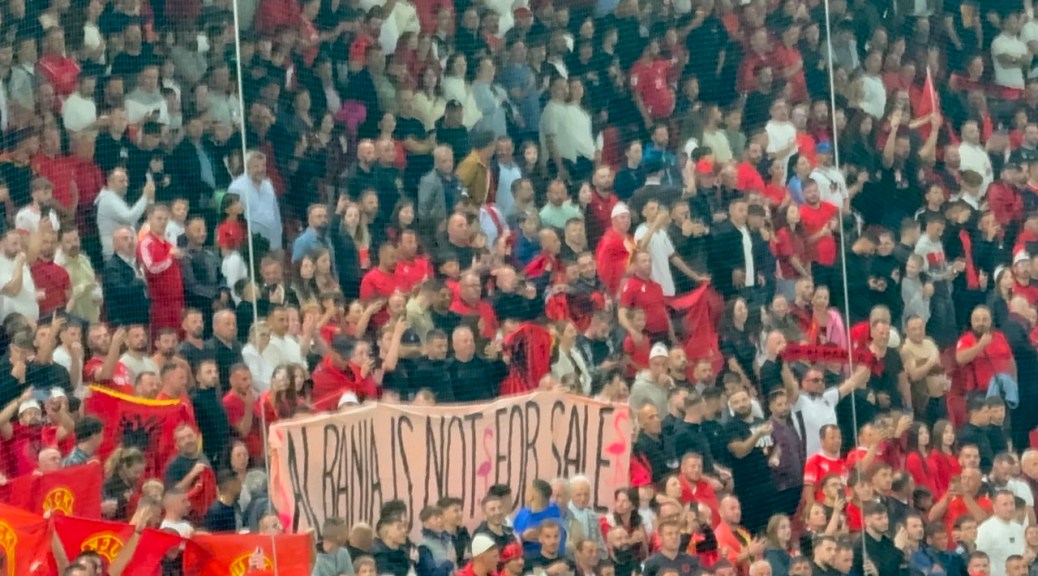
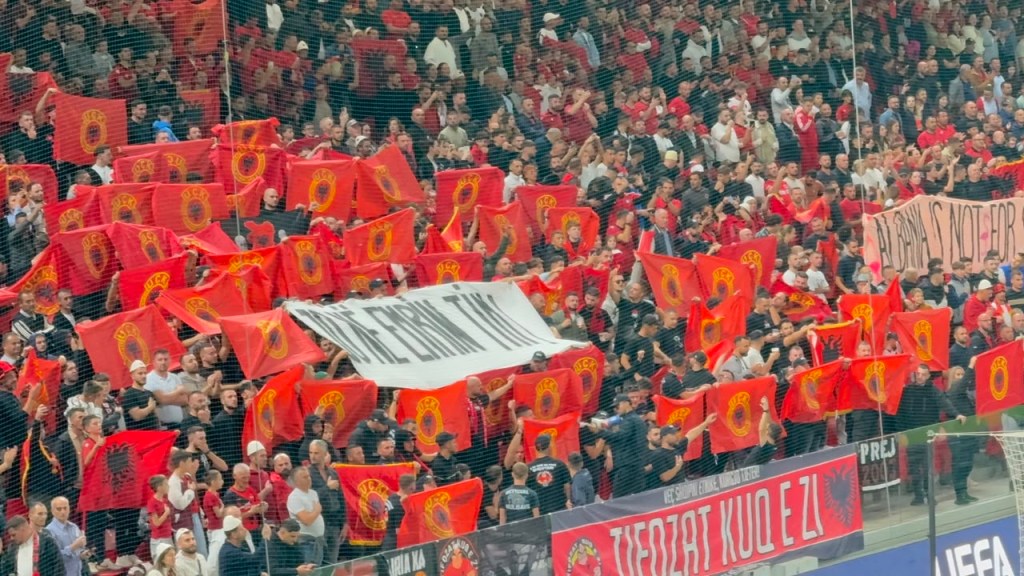
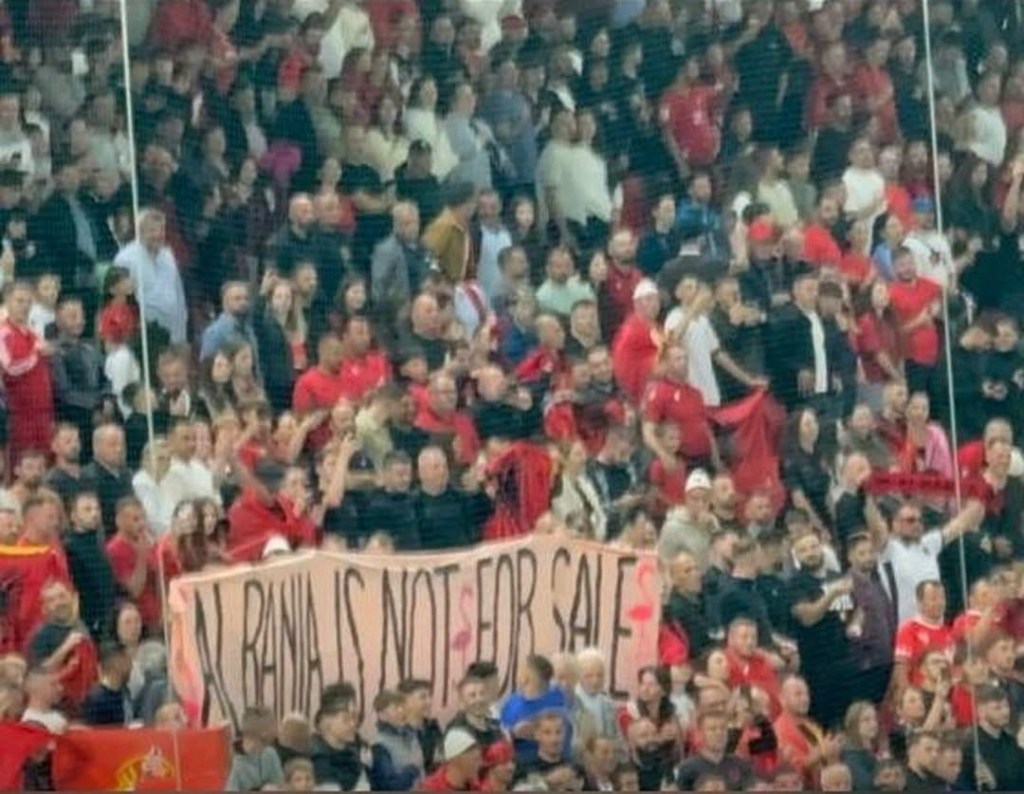
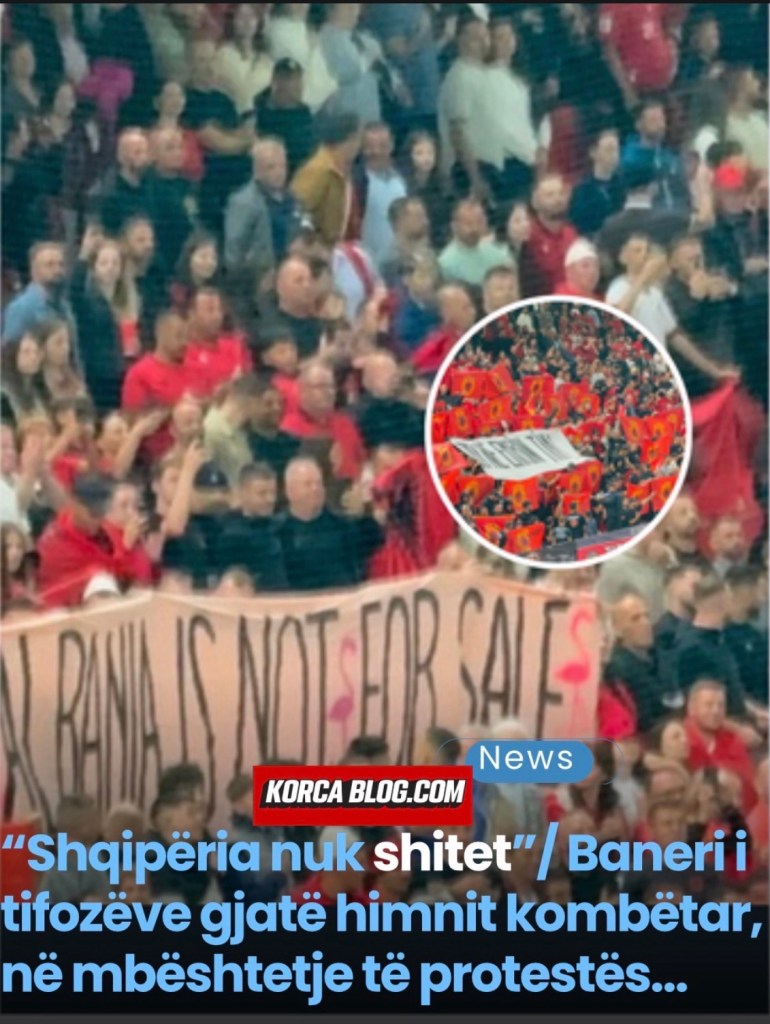
Në momentin e ekzekutimit të himnit kombëtar, para nisjes së duelit mes Shqipërisë dhe Belgjikës, në stadium nuk munguan mesazhet në mbështetje të protestës që po zhvillohet prej kohësh në rrugët e Tiranës.
Në sektorin ku qëndron tifogrupi “Tifozat Kuq e Zi”, krahas flamujve të UÇK-së, u shpalos edhe një baner me mesazhin “Shqipëria nuk shitet”.
Baneri shoqërohej me simbole flamingoje, të cilat janë përdorur si një prej simboleve të protestës së zhvilluar në Tiranë.
Mesazhi i tifozëve u shfaq në stadium pikërisht gjatë himnit kombëtar, duke tërhequr vëmendjen e të pranishmëve dhe duke e lidhur atmosferën e ndeshjes me zhvillimet e fundit në vend.