Category Archives: history

He walked several kilometers every day for his three students — the heart of a heroic teacher stops

A tragic incident has been reported in the Maliq area, where a teacher suddenly passed away after reportedly suffering a heart attack. The teacher is believed to have been around 52 years old and was identified as Alban Bejleri. For years, he showed great dedication to his profession, working in the village of Marjan, a remote area of Maliq, while living in Devoll.

Every day, he walked several kilometers on foot to reach the school, as it was impossible for a vehicle to access the village.

He did this to teach the only three students studying there.

According to preliminary information, after finishing his lesson and while returning to his car as usual, his heart suddenly stopped, and he passed away on the spot. He was later found by village residents, who notified the authorities. Investigations are ongoing to fully clarify the circumstances.

A statement was issued by the Local Education Office of Maliq, expressing deep sorrow for the loss and highlighting his 20 years of experience in education. They noted that he had worked for six years in the villages of the Gorë administrative unit, where he was highly respected by students and the community for his dedication, professionalism, and human values.

“We received with great sadness the news of the sudden passing of our respected colleague, teacher Alban Bejleri, due to a cardiac arrest. With 20 years of experience in education, he was known for his commitment, cooperation, and the values he represented,” the statement read, also extending condolences to his family, including his parents, wife, and children, as well as friends and colleagues.

In an interview, his close friend Artur Vrenozi shared his grief:

I’ve known Alban for years. When I heard the news yesterday, I couldn’t believe it. When I went to the morgue, I realized he was truly gone. He was a role model. He previously worked at the high school in Bilisht, then in the village of Mjaltëz, and later in Marjan, teaching just a few students.

I have accompanied him myself. In Mjaltëz, he would walk up to six hours; here, at least 3–4 hours. From Bilisht by car, then on foot, just to teach students. A great sacrifice. What he did is rare. He came from a family of intellectual teachers. Even now, as I speak, I find it hard to believe. He had been suffering from diabetes for years but was under treatment. His dedication to educating students was extraordinary.”

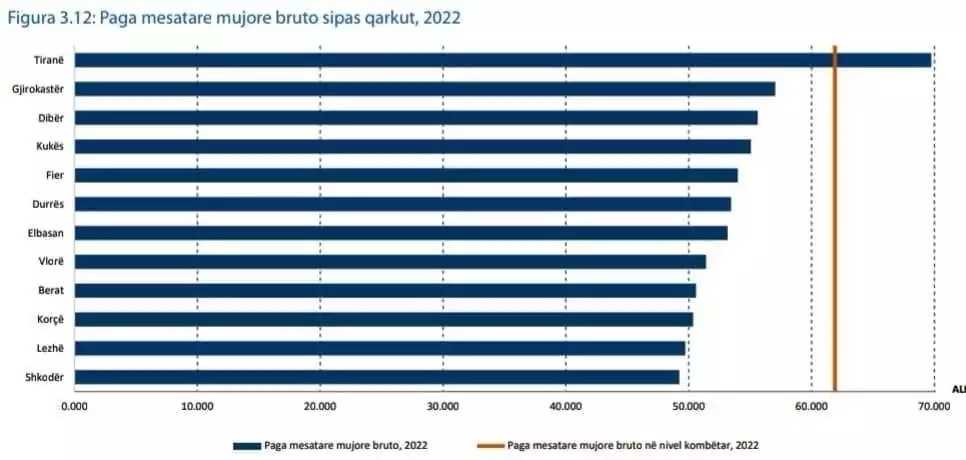
“No Jobs and Minimal Wages: Korça Drops Below 50,000 Residents…”

Census data showed that over the past 10 years, around 16,000 residents have left the Municipality of Korçë (the city plus 7 administrative units). From 76,000 inhabitants, the municipality now counts about 60,000. Meanwhile, the city of Korçë itself has dropped below 50,000, down from 51,000 in 2013, placing it in a lower category of importance.

The massive depopulation affecting the southeastern region, and especially the Municipality of Korçë, is a result of the region’s economic stagnation.

It is enough to compare statistics and several socio-economic factors to understand what has driven this depopulation. According to data from the 2023 Regional Statistical Yearbook published by INSTAT:

The average salary in 2022 was calculated at 50,000 ALL, ranking among the lowest in the country. The average monthly expenditure for basic consumption for a family in 2022 was estimated at 83,014 ALL. Compared to the average salary, these expenses account for approximately 83.5% of a household’s average income.

Depopulation today is closely linked to the lack of fair competition, meritocracy, living standards, widespread corruption at all levels of governance, and above all, the absence of a non-criminalized market.

The depopulation of this region will begin to slow down when wage levels increase significantly, when serious investors and large companies are attracted to create new jobs and professional opportunities with competitive salaries, and above all, when efforts are made to improve the well-being and security of citizens.

Champions League: Bayern Secure Dramatic Qualification Against Real Madrid

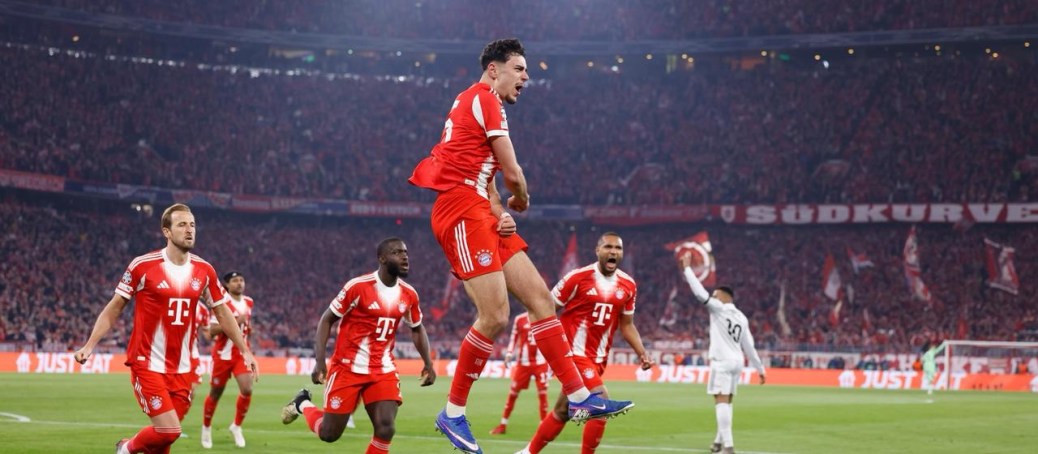
Real Madrid have been eliminated from the UEFA Champions League after a dramatic 4–3 defeat against Bayern Munich in the second leg of the quarterfinals at Allianz Arena. The first leg had also ended in favor of the Bavarians, 2–1, sealing Madrid’s exit.

The match started spectacularly for the Spanish side, who took the lead in the opening seconds. A passing mistake by Manuel Neuer was capitalized on by Arda Güler, who scored from distance to make it 0–1. The home side responded immediately—in the 6th minute, following a corner taken by Joshua Kimmich, Aleksandar Pavlović equalized with a header.

Güler struck again in the 29th minute with a stunning free kick for 1–2. However, in the 38th minute, Harry Kane leveled the score after being assisted by Dayot Upamecano. Just before halftime, in the 42nd minute, Madrid regained the lead—Vinícius Júnior assisted Kylian Mbappé, who finished clinically through the goalkeeper’s legs for 2–3.

The drama continued in the final minutes. Eduardo Camavinga was sent off in the 86th minute, leaving Madrid with 10 players. Just two minutes later, in the 88th, Luis Díaz equalized at 3–3 with a powerful strike from outside the box. When the game seemed headed for extra time, in the 90+4 minute, Michael Olise scored the decisive goal for 4–3, securing victory and qualification for Bayern.

Meanwhile, Arsenal will face Atlético Madrid in the semifinals of the UEFA Champions League. This was confirmed after Arsenal drew 0–0 against Sporting CP at Emirates Stadium in the second leg of their quarterfinal clash. The London side, led by Mikel Arteta, advanced thanks to their 1–0 win in the first leg in Lisbon, decided by a goal from Kai Havertz.

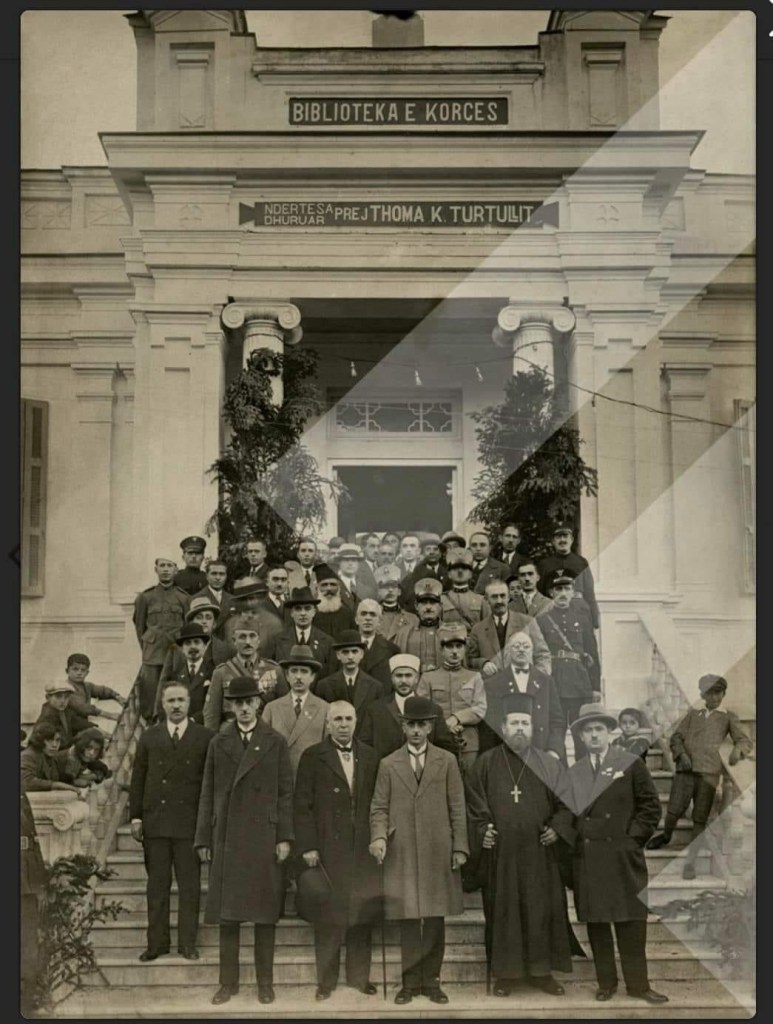
Who Is Thoma Turtulli, the Man Who Donated the Library, Cinema, Lyceum, and Hospital to Korça…

Once, everyone knew him. Today, only a few people in Korçë and beyond remember him. He was one of the greatest philanthropists the Albanian nation has ever produced—a model that should still be followed today.

By Vangjel Simaku

He was the benefactor who gifted Korça—considered one of the most cultured cities in Albania—with a library, a cinema, a lyceum, a hospital, and an orphanage. A philanthropist who saved dozens of people from certain death, yet could not save himself from it. He helped prepare dowries for many poor families in Korça and earned the love and admiration of thousands.

However, the brutal communist regime treated the Turtulli family harshly. When the cemeteries of Korça were relocated from the Church of St. Mary, the monumental grave of this distinguished family was barbarically destroyed, and the remains of the great philanthropist disappeared without a trace. The deep hostility of Enver Hoxha toward this family resulted in one of the most renowned philanthropists in the Balkans and beyond, Thoma Turtulli, having no known grave today.

Thoma Turtulli originated from Vithkuq, once a large and developed town with many neighborhoods, churches, and schools, rivaling even Voskopoja in prosperity. Like Voskopoja, however, Vithkuq was burned and looted three times by the same attackers.

The Turtulli family later moved to Korça and became one of the most prominent commercial families of the time. Thoma Turtulli and his company conducted trade with Durrës, Shkodër, Tirana, as well as with Thessaloniki, Bitola, and Istanbul.

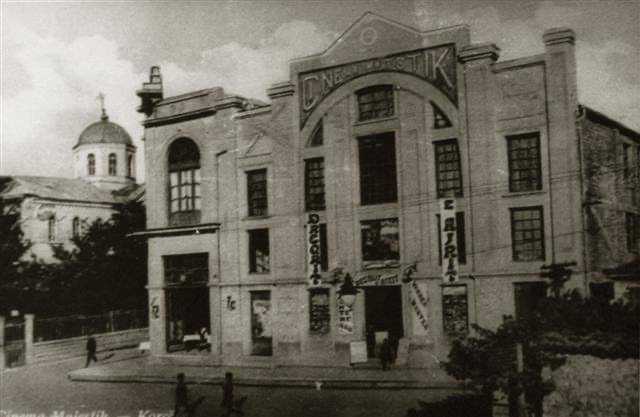
Soon, he devoted himself to major philanthropic efforts, aiming to turn Korça into a model European city. On December 25, 1927, the “Majestic” cinema opened its doors in Korça—a small “La Scala” in the heart of the city. This beautiful cinema was built by the Albanian joint-stock company “Cinemato,” founded by Thoma Turtulli and his associates.

He donated a library to the education-loving city of Korçë, recognizing the strong thirst for knowledge among its people. In the city and surrounding areas, there were already many books preserved from the old libraries of Voskopoja, Vithkuq, and Korça itself, as well as books brought by the Vatra society from the United States.

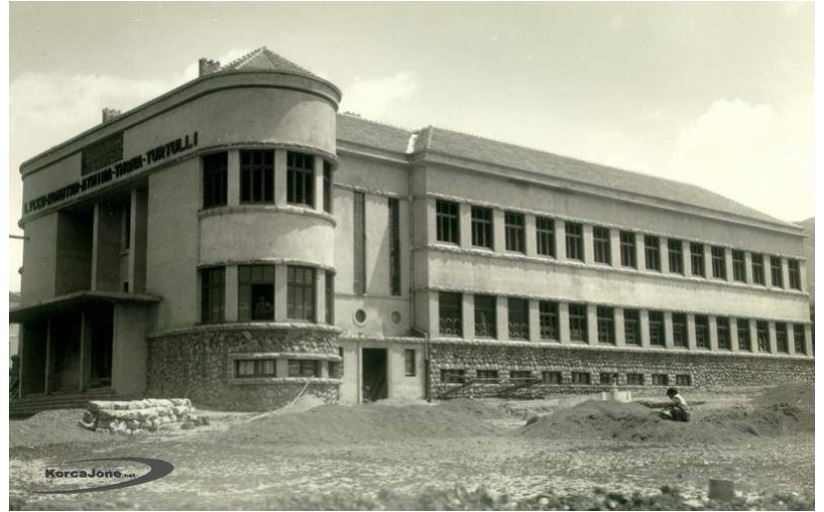
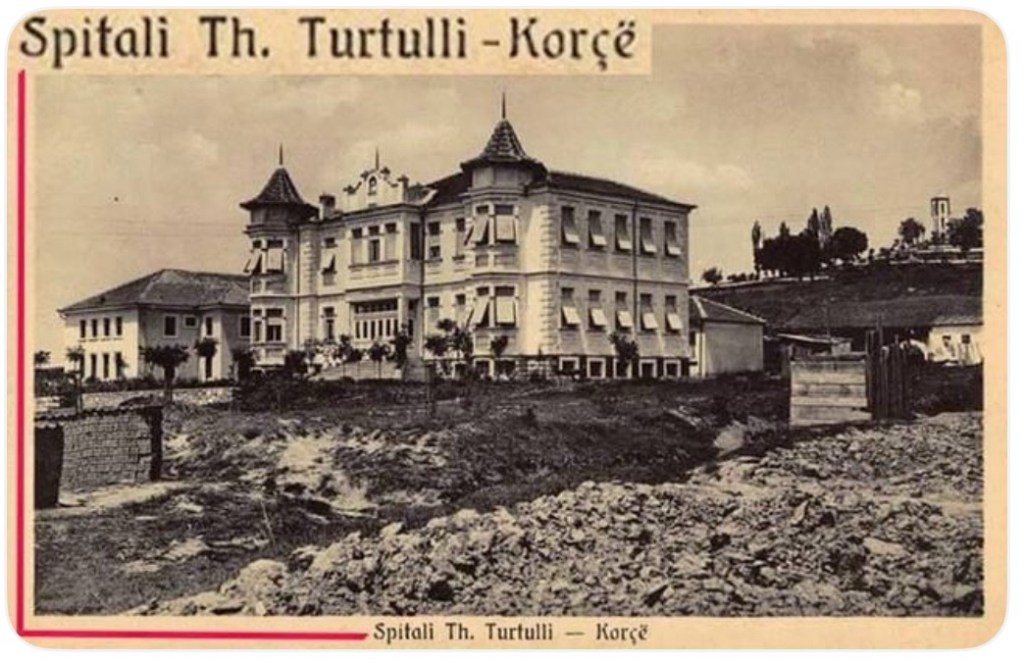
As a result, the beautiful Korça library, inaugurated in 1930, held around 30,000 books at that time. The great philanthropist Thoma Turtulli also donated the lyceum—this important center of education known both within and beyond Albania. The city hospital, meanwhile, was inaugurated in 1934.

After its completion, Thoma Turtulli’s wife, Athina Turtulli, donated 40,000 gold francs to the state for the construction of an industrial school. King Zog I awarded her the Order of Skanderbeg in recognition of her contribution.

It is said that Thoma Turtulli personally supervised the construction of the hospital and fell ill there with bronchopneumonia. Despite the extraordinary efforts of King Zog, who brought the best doctors from Thessaloniki, he could not be saved. The works of this great benefactor still shine in Korça today, reflecting the European spirit that Thoma Turtulli and other notable philanthropists instilled in the city.

Korça, Once a City of Five Customs Points with an Industrial and Commercial Character—Today Even the Maternity Hospital Is Being Turned into a Hotel…

By Albens Tabaku:

Developments driven by “mediocre, one-sided policies” always lead to failure, especially when based on “personal” initiatives without serious studies involving institutes, experts, or academic departments.

From the very beginning, when it was still presented as something new, the idea of developing Korçë mainly and almost exclusively as a tourist city did not seem normal to me. Even before communism, during communism, and for at least 10 years after its fall, Korça had an industrial, commercial, and agricultural character, supported by fertile fields and hardworking villages that created a relatively stable economic chain for the region.

The Beer Factory dates back to 1929, along with manufacturing industries for agricultural products, an alcohol factory, power plants, and transport links to Greece through automobile companies—even air transport. I recall the German company Adria Aero Lloyd, which operated propeller flights Korça–Tirana, Korça–Shkodër, Korça–Vlorë, and return routes as early as 1925. Later, the Italian company Ala Littoria introduced routes such as Korça–Tirana–Rome and Korça–Thessaloniki.

The bazaar was once a center of craftsmanship and essential local trades. The city also had numerous schools, including the French Lyceum (a national institution), two major high schools opened by Mirash Ivanaj, a boys’ vocational school teaching accounting, finance, trade, and merchandising, and a girls’ school focused on crafts, tailoring, and culinary arts.

During communism, Korça was perhaps the most developed district in the Republic, even rivaling Tirana in industrial diversity (although Tirana had larger numbers and heavy industry like the tractor plant). Heavy industry included mechanical and metal plants, foundries, a glass factory, brick and tile factories, a thermal power plant, a bearing factory, and the Instrument Factory—considered number one in the country.

Light industry included food processing plants (jam, oil, chocolate cream, pickles, wine, and cognac), meat processing, woodworking, and more. There was also the highly regarded knitwear combine, which functioned partly until the 2000s before being demolished for apartment buildings. The carpet factory, leather and footwear factory, and many others suffered the same fate. The only survivor is the former garment production enterprise, which still operates successfully today.

Geological enterprises with dozens of mines were destroyed, as was the silicate industry. Agriculture, historically strong, was also neglected.

Therefore, directing Korça’s development almost entirely toward tourism—without alternatives and without utilizing its historical potential—was a mistake. The city is a key border hub with around five customs points, a strategic transport node that should have focused on logistics, storage, and distribution. It also has exceptional agricultural potential in the Korça and Devoll plains, along with a highly skilled workforce that has now largely disappeared.

There were discussions about building an electric cable factory and an automotive company a few years ago, but these plans were abandoned.

Traditional elements like lakror (pie), raki, sausages, and the Beer Festival are now overused and fragmented, unable to provide sustainable long-term development. Domestic tourism has already “consumed” Korça, and population decline across Albania reduces its impact on the regional economy. Unlike coastal cities such as Durrës and Vlorë, which benefit from at least three stable months of tourism, Korça does not even have that advantage.

The situation becomes absurd when even a maternity hospital is turned into a hotel—especially during the peak of a pandemic, when more hospital beds were needed. At the very least, healthcare infrastructure should have been expanded, but it remains unchanged from 50 years ago.

Focusing the economy solely on tourism—whether in Korça or across Albania—makes sustainable and progressive development impossible. Tourism is influenced by many factors and does not quickly recover the high investments it requires. Not to mention the oversaturation of hotels and guesthouses across Korça.

In conclusion, this was a short-term, mediocre, and misguided vision.

Preparations for Easter / Orthodox Believers’ Traditions in Korça, from Souvenirs to Lamb Meat…

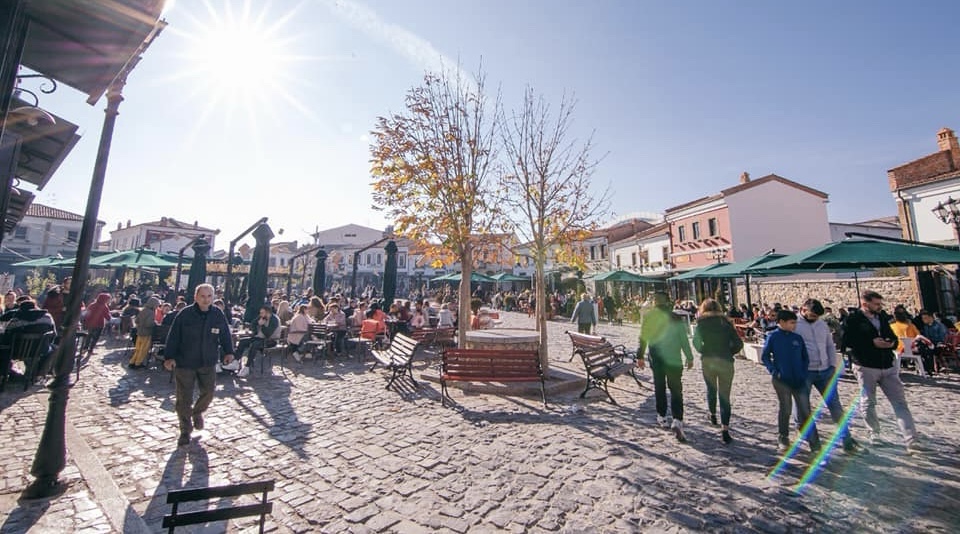
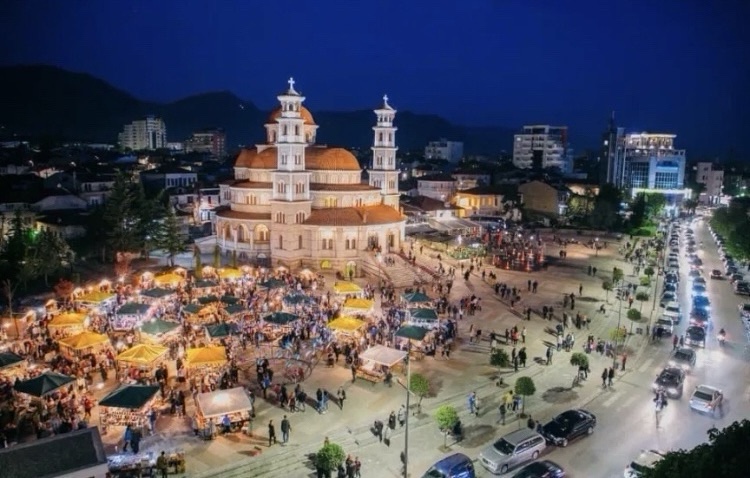
Korçë has been filled this weekend with hundreds of tourists and visitors who have chosen the city to celebrate Orthodox Easter as well as to relax and enjoy their time off. Easter is the holiday that symbolizes the resurrection of Christ, and in Korça it is celebrated on a large scale. Local families have preserved and respected their long-standing traditions and customs.

A well-known tradition is the purchase of souvenirs made of ceramics and clay, as well as the preparation of lamb meat, since the lamb is considered a symbol of goodness, purity, and peace.

The Easter lunch represents togetherness, bringing everyone around the same table to be close to their loved ones.

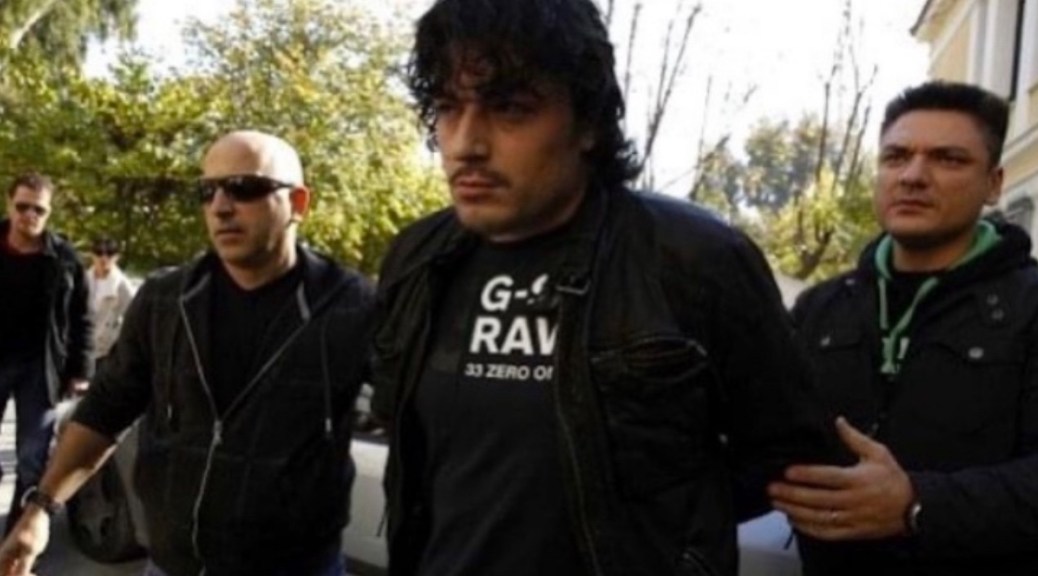
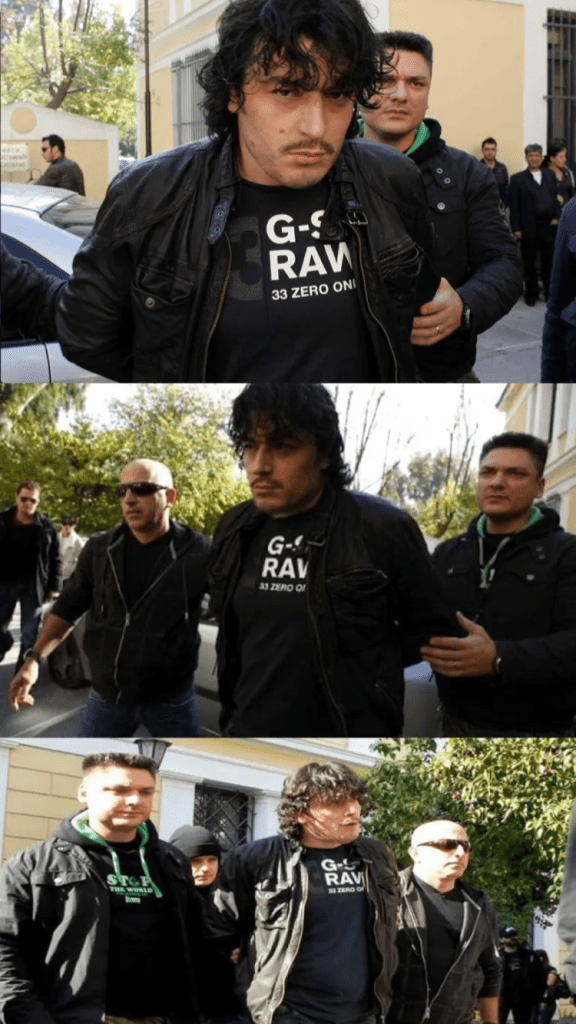
The Strongman of Greece / This Is Alket Rizai, Who Became Famous for His Prison Escapes and Deeds—Even Inspiring Songs Dedicated to 

Alket Rizai, one of the most well-known Albanian prisoners in Greece, is famous for his dramatic prison escapes and controversial life story. “I sang about Alket Rizai because he is considered a hero here in Greece. He is brave and has done crazy things both inside and outside prison,” rapper Tus once said. It remains to be seen how successful the project will be in Greece, but it is certain that the song has already gained attention in Albania.

Who is Alket Rizai?

Alket Rizai was born on May 24, 1978, in Ballsh. At the age of 16, he moved to Greece in search of work. He became widely known as the Albanian who escaped twice from Greek prisons using a helicopter—an act that made headlines internationally.

He was the youngest of three brothers and was described as a well-behaved child. He had a strong passion for electronics, which he might have turned into a profession if his life had taken a different path. From the age of 10, he would dismantle and reassemble electronic devices.

Rizai spent his early childhood in the village of Kalenjë, where he lived with his relatives. At the age of six, he returned to his hometown to begin school, but he never completed high school, as he left for Greece.

In addition to Albanian, Rizai reportedly speaks five foreign languages. He carried out two helicopter escapes from Korydallos Prison. He later attempted a third escape by taking six prison officers hostage at Malandrinos Prison.

He is currently serving his sentence in prison.

How Did Mercedes Get Its Name? The Brand Everyone Knows Hides a Tragic Story

On February 9, 1846, German engineer Wilhelm Maybach was born—known as the “King of Designers” behind the first Mercedes car. Maybach, the son of a carpenter from Stuttgart, became an orphan at the age of 10. Family friends made various efforts to find a home for him and his siblings, even placing an advertisement in a local newspaper.

Eventually, Maybach was taken in at the Bruderhaus, run by theologian Gustav Werner, where he was initially trained as a pastry maker. However, Werner quickly recognized his technical talent. Maybach began studying drawing, physics, mathematics, English, and French, and entered the Bruderhaus factory as an apprentice. There, he met Gottlieb Daimler. Their childhood friendship would later develop into a 30-year partnership that made a major contribution to the modern automotive industry.

From 1883, Maybach and Daimler developed efficient internal combustion engines, marking their first major breakthrough. In 1890, they founded Daimler-Motoren-Gesellschaft to build automobiles, with Maybach serving as technical director. His carburetor design was widely used after 1893, and he fought legal battles to protect his patents.

In 1899, shortly before Daimler’s death, Maybach met racing pioneer Emil Jellinek. A legend was born a year later when Jellinek commissioned Maybach to build 36 specially designed racing cars. He requested a long, low vehicle with a 35-horsepower engine and named it after his daughter: Mercedes. This is widely considered the first modern car.

In 1909, Maybach, together with his son Karl Maybach, founded Luftfahrzeug-Motorenbau to produce aircraft engines, including those used in Zeppelin airships. After World War I, starting in 1922, the first cars bearing the Maybach name—designed by his son—entered the market, competing with Daimler-Benz. Daimler-Benz later acquired Maybach Motorenbau and the brand in 1960.

The tragic story behind the name “Mercedes”

As for the daughter whose name became famous worldwide, Mercedes Jellinek, her life ended tragically. After World War I, Emil Jellinek—by then a diplomat—was accused of espionage and forced to leave Nice. The French government confiscated his villa, boats, and cars, and he died in exile in Switzerland in January 1918. Mercedes was left struggling to survive, even relying on the help of neighbors.

As she grew older, Mercedes faced illness and hardship. She married twice—both husbands were barons—but both marriages ended in separation. She died in a small apartment in Vienna in February 1929, not yet 39 years old. She had no children but was survived by her sister, Maia, born in 1906.

Maia also had a car named after her—an electric model designed by Ferdinand Porsche, which debuted in Vienna in 1907. Unlike the car that bore her sister’s name, however, Maia’s model was not very successful.

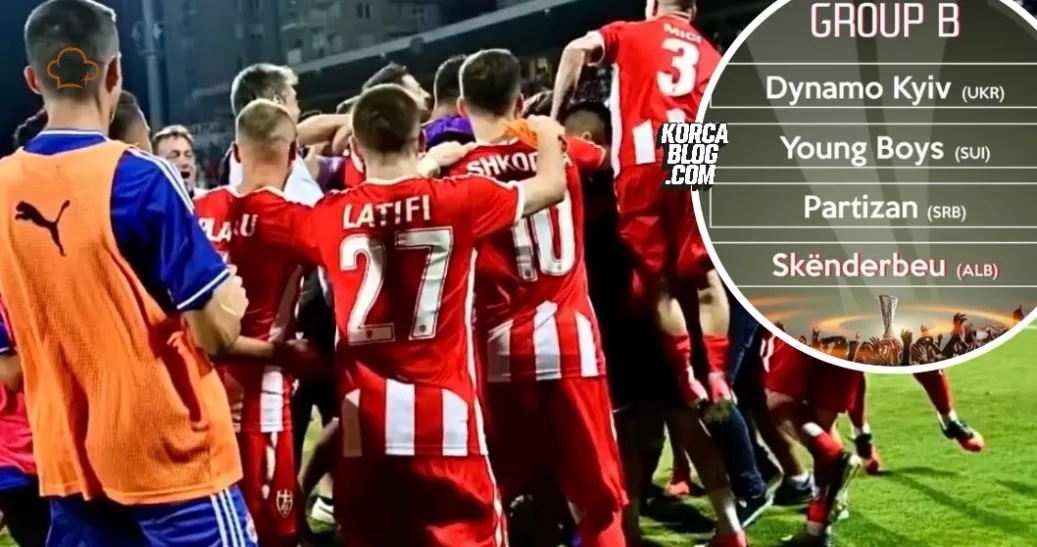
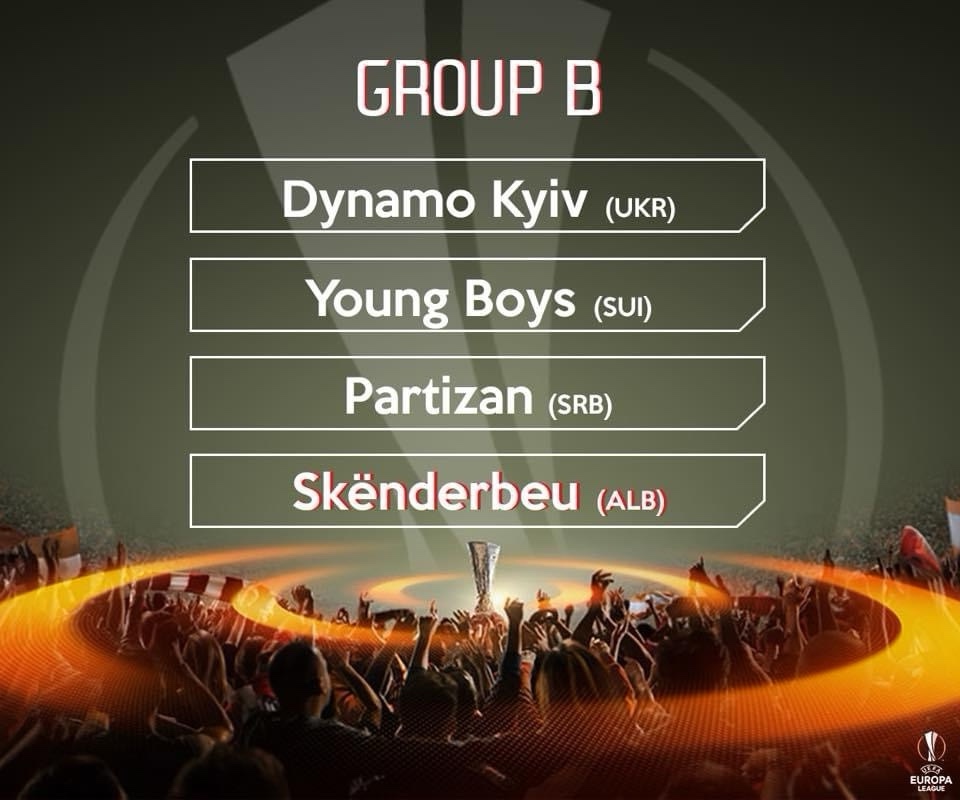
Skënderbeu’s European Journey, 2017 (VIDEO)

KF Skënderbeu Korçë is considered one of the most successful teams in the history of Albanian football, especially in terms of its performances in European competitions. The club has reached the group stage of the UEFA Europa League twice and has progressed through four qualifying rounds—an achievement unmatched by any other Albanian team.

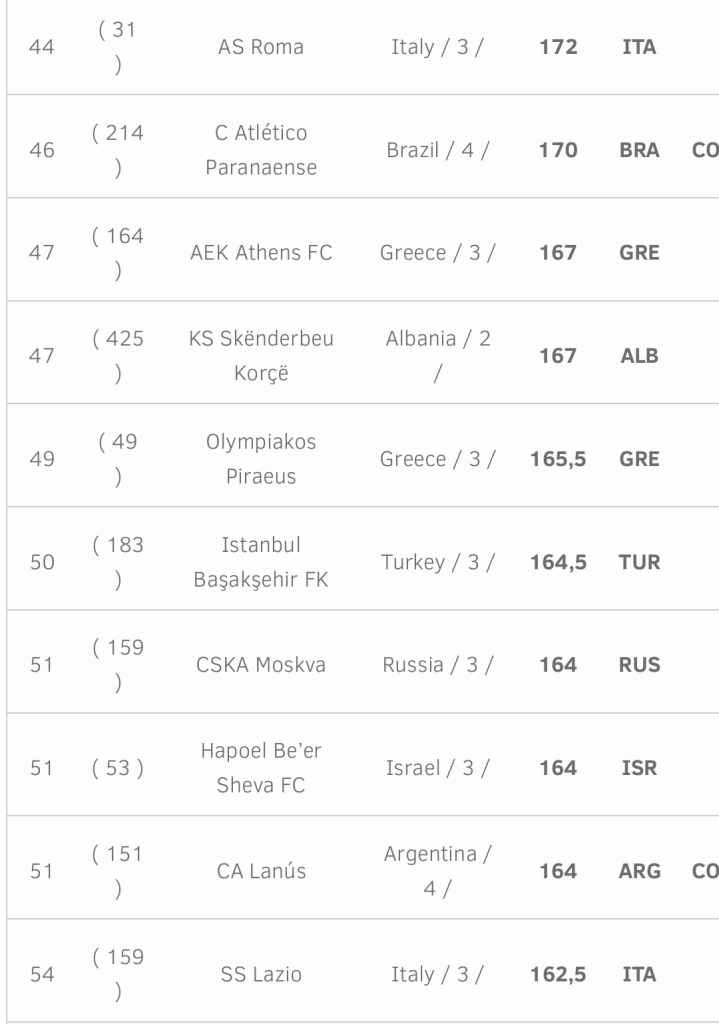
Another historic milestone was securing 47th place in the global ranking published by International Federation of Football History & Statistics.

Moreover, Skënderbeu was ranked ahead of several well-known European clubs such as Lazio, Borussia Dortmund, Ludogorets Razgrad, Corinthians, Ajax, Schalke 04, Villarreal CF, FC Porto, and Atalanta BC, among others.

“I haven’t had a relationship until today,” Brikena clashes with Edisa, former contestant: “Liar, I have extra information.”

A heated clash occurred between Brikena and Edisa on Fan Club. The two former contestants of Big Brother VIP Albania 5 have had tensions before, even inside the house, with Edisa accusing Brikena of being fake.

She also claimed during the show that Brikena had a relationship outside the house—a theory she continued to defend on “Fan Club.”

Part of the debate:

Brikena: “In my life, I’ve never wanted to talk about this. I’ve simply said that I haven’t had any relationship until now. My relationship with Mateo has been one of my first.”

Edisa: “Liar!”

Brikena: “I haven’t had other relationships. If I’ve exchanged messages with someone, it was just to get to know them. Up to today, I haven’t had a relationship. I don’t want to go into that topic at all.”

Edisa: “I stand by the same opinions I had before. In fact, they’ve become even stronger because I’ve received extra information, and if Brikena wants, I can share it. But I’m a good girl. Don’t mislead the public more than you already have. Be yourself, because people will appreciate you even more. That Brikena with the jokes and memes seems much more interesting to me compared to the Brikena who tried to act a certain way during her journey in Big Brother.”

Brikena: “I don’t take advice from someone who needs advice themselves.”

A senior U.S. general is coming to Tirana as the U.S. Ambassador

The President of the United States, Donald Trump, has nominated Eric Wendt as Ambassador to Albania. Wendt has been proposed by Trump to be appointed as the Ambassador of the United States of America to Albania and is one of the well-known figures in the U.S. military. He has a career spanning over three decades in security and special operations.

“Eric Wendt, of California, to be Ambassador Extraordinary and Plenipotentiary of the United States of America to the Republic of Albania,” the official document states.

Eric P. Wendt is a retired lieutenant general of the United States Army. He most recently served as the 5th commander of NATO Special Operations Headquarters and stepped down from command on January 29, 2021. During his career as a senior officer, he held several key positions, including serving as the U.S. Security Coordinator for the Israel-Palestinian Authority (2017–2019), as well as leadership roles within the U.S. Pacific Command and in special operations structures in Korea and Afghanistan.

How is a U.S. Ambassador appointed?

The process of appointing U.S. ambassadors involves several institutional steps and includes both the President and the Senate.

Initially, the ambassadorial candidate is selected by the President, who nominates the individual to represent the United States in a specific country. The nomination is then sent to the Senate for review.

In the Senate, the candidate undergoes a hearing before the Foreign Relations Committee, where their qualifications, experience, and views on foreign policy are evaluated. After this stage, the Senate holds a final vote. If approved, the individual is officially appointed as ambassador.

Following approval, the ambassador takes the oath and prepares to assume duties in the host country. However, before officially starting the role, the receiving country must also give its consent, a procedure known as “agrément.”

Berisha: We are in the final stretch, thousands of citizens want to join us

The leader of the Democratic Party, Sali Berisha, stated that the opposition is in the final stretch of its battle. In a press conference, he accused the Prime Minister of dismantling parliament by blocking investigative committees and denying deputies their legal rights.

Despite these pressures, Berisha emphasized that his political force will not abandon parliament, but will coordinate with citizens to stand firm with full strength until the “regime” is overthrown.

“We are in the final kilometer. I say it again here, and I will always say it. What does this mean? It means that the problems we had are behind us. Now we have one problem. And that is Edi Rama, the power of crime. And we must stand against it with all our strength. Time proves that protest is our main weapon.

He has destroyed parliament like never before. Parliament is non-existent. He does not allow any parliamentary investigative committee. He does not accept any interpellation. He does not accept any debate with a motion. Our deputies are not provided with the information and documents required by law.

He gives not one, but a thousand reasons for us to abandon parliament. We will not do that. No. Precisely because he wants it, we will not do it. But we will do everything with the citizens against him until he leaves power. This is our stance. We are legitimate in every act of peaceful uprising against this regime,” Berisha said.

Rama: Corruption has not reached its peak, but the fight against corruption has

From Vlora, Prime Minister Edi Rama denied that his government is corrupt, stating that there has been no increase in corruption in Albania, but rather that the fight against this phenomenon has reached its peak.

Rama linked this to an independent justice system and to the reforms that, according to him, the government has undertaken, such as increases in salaries and pensions.

“They talk morning, noon, and night about corruption, corruption, and repeat that corruption has reached its peak, while in fact, it is the fight against corruption that has reached its peak.

Because if there are cases that become the subject of public discussion about corruption, this comes as a result of the exposure that the fight against corruption brings to these cases. We did not have such cases before—why? Was it because there was no corruption? No, but because we had no independent justice system at all,” said Rama.

According to him, increases in salaries and pensions cannot go hand in hand with an increase in corruption. This does not happen, because for corruption to grow, it would have to take the money allocated for salaries and pensions.

“Those who take the Albanian people for fools are mistaken. The increase in corruption does not go hand in hand with Albania’s improved position in rankings made by EU institutions on public procurement,” Rama declared.

He added that today Albania certainly has problems with corruption, but at the same time it is fighting it, thanks to an independent justice system and a series of reforms.

The increase in corruption does not go hand in hand with economic growth; it simply does not happen,” he emphasized.