
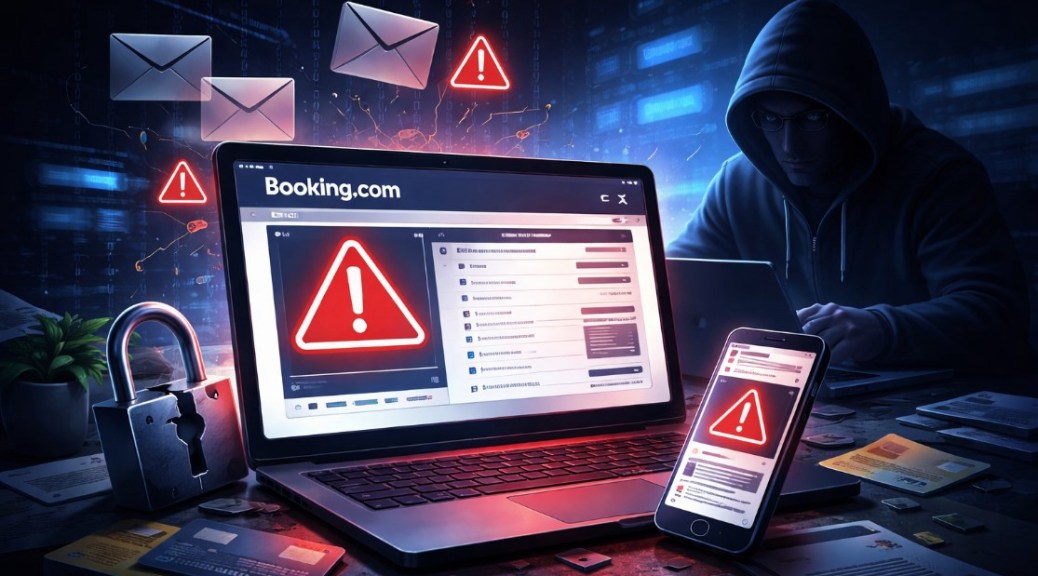
Initially reported by PCMag, the case has now also been confirmed by other international media outlets such as The Guardian and The Times of India. According to reports, unauthorized individuals were able to access information related to customer bookings. The affected data may include names, email addresses, phone numbers, as well as booking details and any additional information shared with accommodations.
The company itself has confirmed that it identified suspicious activity and intervened immediately to limit the damage. As part of its security measures, new PIN codes have been generated for bookings, and affected customers have been notified via email.
However, although the incident is considered serious, international reports emphasize that there is no evidence that users’ financial data or bank card details have been compromised. The issue appears to be mainly related to booking information and basic personal data.
Despite this, experts warn of an increased risk of fraud. The exposed data could be used for phishing attacks, where scammers pose as company representatives to obtain sensitive information. Some users have already reported suspicious messages on apps like WhatsApp, as well as attempts through phone calls.
A case reported by Australian Broadcasting Corporation indicates that such attempts may have occurred earlier, where a citizen was contacted by someone claiming to be a Booking.com agent in an attempt to obtain credit card details.
So far, Booking.com has not disclosed the number of affected users or details about the potential perpetrators of the attack. The situation remains ongoing, with the company emphasizing its commitment to data security and continuing investigations.
Meanwhile, users are advised to exercise maximum caution with any suspicious communication and avoid sharing personal or banking information via unverified emails or messages.